A smart lock can look perfect in a product photo and still be the wrong fit for the actual door. The handle may hit a screen door. The latch may not line up with the frame. The door may be too thin, too thick, too exposed to rain, or too worn for a clean installation. In Pampanga homes, where main doors range from solid wood to metal gates, condo doors, rental units, and renovated older frames, compatibility is the first thing to check.
Smart Locks Pampanga presents its service around professionally installed biometric and app-controlled locks, free installation across Pampanga, technical support, and consultations. That matters because smart-lock buying is not only about features. It is also about whether the chosen lock can be installed neatly, close properly, and be used confidently by the household after handover.
Start With The Door, Not The Device
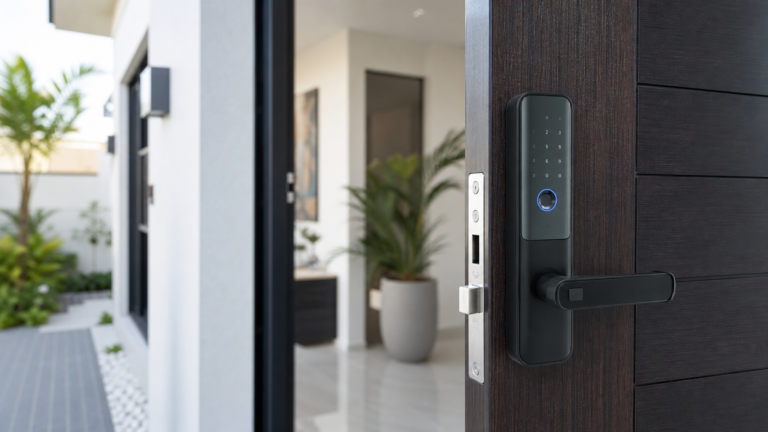
Before comparing fingerprint, PIN, RFID, card, or app features, look at the door itself. A compatible smart lock depends on the door material, thickness, swing direction, current lockset, latch position, frame depth, and how the door closes on a normal day.
Ask these basic questions:
- Is the door wood, metal, aluminum, glass, or a composite material?
- Is it a main entry door, bedroom door, condo door, rental unit door, or gate-adjacent door?
- Does it swing left or right, inward or outward?
- Does it close smoothly without lifting, pushing, or pulling?
- Is there enough flat surface for the lock body?
- Will a screen door, grille, or second door hit the smart lock?
If the door already needs force to close, a smart lock will not magically fix the alignment. The installer may need to adjust the strike area, recommend repair, or choose a model that fits the existing condition.
Door Thickness And Backset Matter
Many smart locks need a certain door thickness and backset, which is the distance from the door edge to the center of the lock hole. If the door is outside the supported range, installation can become messy or impossible without carpentry or metal work.
This is why a photo is helpful but not always enough. The installer may need measurements, a view of the door edge, and a look at the frame. For older Pampanga homes, doors may have been repaired, repainted, or modified over time. For condos and rentals, door specifications may be fixed by building rules. For metal doors or gates, drilling and alignment require more care.
A proper compatibility check prevents rushed decisions such as buying a lock online, discovering the mortise does not fit, and then forcing an installation that weakens the door.
Match The Lock Type To The Entry Point
Not every smart lock belongs on every door. A sleek biometric handle may work well on a protected wooden main door but may be unsuitable for a narrow metal gate or a door exposed to direct rain. A deadbolt-style smart lock may fit one frame but not another. A glass-door solution may need specific hardware.
Think about how the entry is used. A family main door may need fingerprint, PIN, mechanical key backup, and app access. A rental unit may need easy code changes. A condo door may need a clean installation that respects building rules. A small hospitality property may need controlled guest access and simple turnover. A house with helpers, relatives, or frequent deliveries may need access methods that are easy to manage without giving everyone permanent keys.
The right match is not the model with the longest feature list. It is the model that fits the door and the people using it.
Check Exposure To Weather And Daily Wear
Pampanga heat, humidity, dust, rain splash, and direct afternoon sun can affect door hardware. If the door is sheltered by a canopy, the lock has an easier life. If it faces rain or sits near an open gate, the installer should discuss weather exposure honestly.
Also check daily wear. Does the door slam? Is the frame swollen after rain? Do hinges sag? Does the lock area receive dust from the road? Are children likely to pull on the handle? Will pets, plants, or furniture hit the door? These ordinary details affect long-term performance more than most buyers expect.
A smart lock should not be installed as decoration over a door problem. Fix alignment and structural issues first, or at least include them in the scope.
Plan Access For Real Household Routines
Compatibility is also about people. A lock can fit the door and still fail the household if the access method is inconvenient. Before installation, list who needs access and how often:
- Parents or owners
- Children or elderly family members
- Helpers or caretakers
- Tenants or guests
- Short-term rental visitors
- Maintenance workers or contractors
Fingerprint access may be convenient for everyday users. PIN codes may be better for temporary access. RFID cards may help some users but can be lost. App access can be useful, but not every user wants another account or phone setting. Mechanical key backup should be stored responsibly, not left where the lock defeats its own purpose.
Think About Power, Batteries, And Handover
Most smart locks rely on batteries. Ask what battery type the lock uses, how users are warned when power is low, and what emergency access option exists if the battery is neglected. Do not assume every family member will read the manual later.
During handover, the installer should show the actual users how to unlock, lock, add or remove access, respond to low battery warnings, and use backup entry. The account owner should know who has admin control. For rentals and Airbnb-style use, code deletion and turnover steps should be clear before the first guest arrives.
Smart Locks Pampanga’s FAQ and service pages emphasize installation, support, and modern access methods. Use that support to make the setup practical, not just impressive.
Buyer Questions Before Approval
Before buying, ask:
- Is this exact door compatible with the selected lock?
- Are drilling, mortise changes, or frame adjustments required?
- Will a screen door, grille, or gate interfere?
- Is the lock suitable for the door’s weather exposure?
- Who will manage fingerprints, PINs, cards, and app access?
- What happens if batteries run low?
- What support is available after installation?
A professional answer should be specific to the door in front of you. Be cautious with vague claims that any smart lock fits any door.
When To Book A Compatibility Check
If you are replacing a main lock, upgrading a condo, preparing a rental unit, or adding keyless access for a family home, start with a compatibility check. Send clear photos of the door front, inside face, edge, frame, existing lock, and any screen door or gate nearby. Better yet, request a consultation so the installer can confirm fit before drilling.
Smart-lock door compatibility is not a technical detail to leave until installation day. It is the difference between a clean upgrade and an awkward workaround. Choose the lock after understanding the door, then make sure the household knows how to use and maintain it.
FAQs
Can any smart lock fit any door?
No. Compatibility depends on door material, thickness, backset, latch position, frame condition, swing direction, and nearby obstructions such as screen doors or grilles.
What photos should I send before installation?
Send the front and inside face of the door, the door edge, existing lock, strike plate, frame, and any second door or gate that might hit the lock.
Are smart locks suitable for rental units or Airbnb-style stays?
They can be, especially when access codes can be changed between guests. The door still needs to be compatible, and code-management steps should be clear.
What if my door does not close smoothly?
Fix or assess the alignment first. A smart lock needs the latch and strike area to meet cleanly, or users may experience failed locking and extra wear.
Do smart locks still need keys?
Many models include a mechanical backup key or emergency access method. The backup should be stored securely and explained during handover.